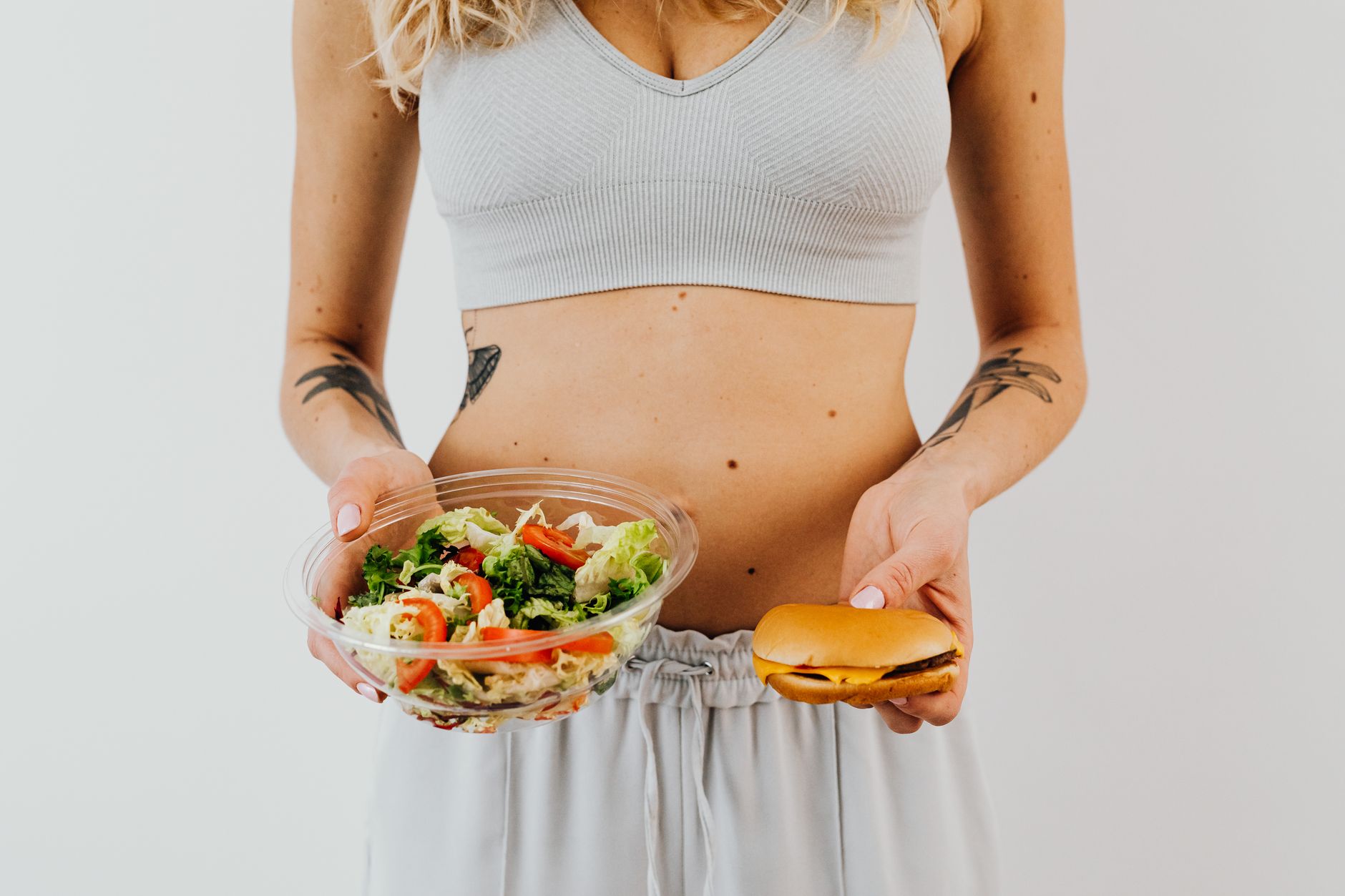
Balanced meals do not need elaborate recipes or perfect portions. A dependable starting point is to pair a protein source with fiber-rich foods, then add flavors you genuinely enjoy. This approach works with a home-cooked dinner, a packed lunch, or a quick meal assembled from grocery-store staples. By choosing a few flexible ingredients and keeping convenient options on hand, you can make meals that feel satisfying and fit the time, appetite, and schedule you have that day.
Start With Three Building Blocks
Choose a protein, a fiber-rich food, and a source of flavor for each meal. Protein might come from eggs, beans, fish, chicken, tofu, yogurt, or nuts. For fiber, look to vegetables, fruit, beans, lentils, oats, or whole grains. Flavor can come from herbs, spices, citrus, sauces, or a crunchy topping. This is a flexible guide, not a rule that every meal must look the same.
For example, combine roasted chicken, brown rice, and vegetables with lemon and herbs. Or use beans, greens, and whole-grain toast with salsa and avocado. If a meal already includes several of these elements, build on what is there rather than starting over. The goal is a satisfying combination, not a complicated checklist.
Make Home Meals Easier
Prepare components that can work in more than one meal. Cook a pot of grains, wash and chop sturdy vegetables, and keep a few proteins ready, such as hard-cooked eggs, canned beans, or baked tofu. Store ingredients separately so you can combine them in different ways and adjust portions to your appetite.
Use simple flavor changes to keep repeat ingredients interesting. A grain-and-bean bowl can take on a different character with salsa one day, a yogurt-based sauce the next, or olive oil, vinegar, and herbs another time. Keep a few reliable seasonings and sauces nearby, and check labels when sodium, allergens, or other ingredients matter to you.
Plan For Busy Days
Build a short list of meals that need little preparation. Try Greek yogurt with fruit, oats, and nuts; a whole-grain wrap with hummus, vegetables, and turkey or tofu; or canned lentil soup with a side of fruit. Frozen vegetables, prewashed greens, canned fish, and microwaveable grains can also shorten the path from hungry to fed.
When packing food, choose items that travel and store safely. Use an insulated lunch bag with cold packs for foods that need refrigeration, and pack sauces separately if you want to preserve texture. If you buy a meal, look for a protein option, a vegetable or fruit, and a grain or other filling side. Add a flavor you enjoy rather than choosing a combination that feels like a chore.
Adjust To Your Needs
Your routine and appetite can change from day to day. A more active day, a long gap between meals, or a smaller appetite may call for different amounts or meal timing. Start with a comfortable serving, then add more food if you are still hungry. Notice which combinations keep you satisfied and which are easy to prepare consistently.
Dietary needs also shape what works. If you avoid certain foods, swap in another protein or fiber source that suits you. For a medical condition, food allergy, or nutrition concern, get personalized guidance from a qualified health professional instead of relying on a general meal template. Keep the structure flexible enough to support your preferences and health needs.
A useful meal plan is one you can repeat and adapt. Start with a protein, add fiber-rich foods, and finish with flavors that make the meal appealing. Keep a few quick options available for demanding days, then adjust based on your appetite and routine. For individualized nutrition support, consider speaking with a nutrition professional.